Field notes: the terminal that added a fourth tank and told nobody
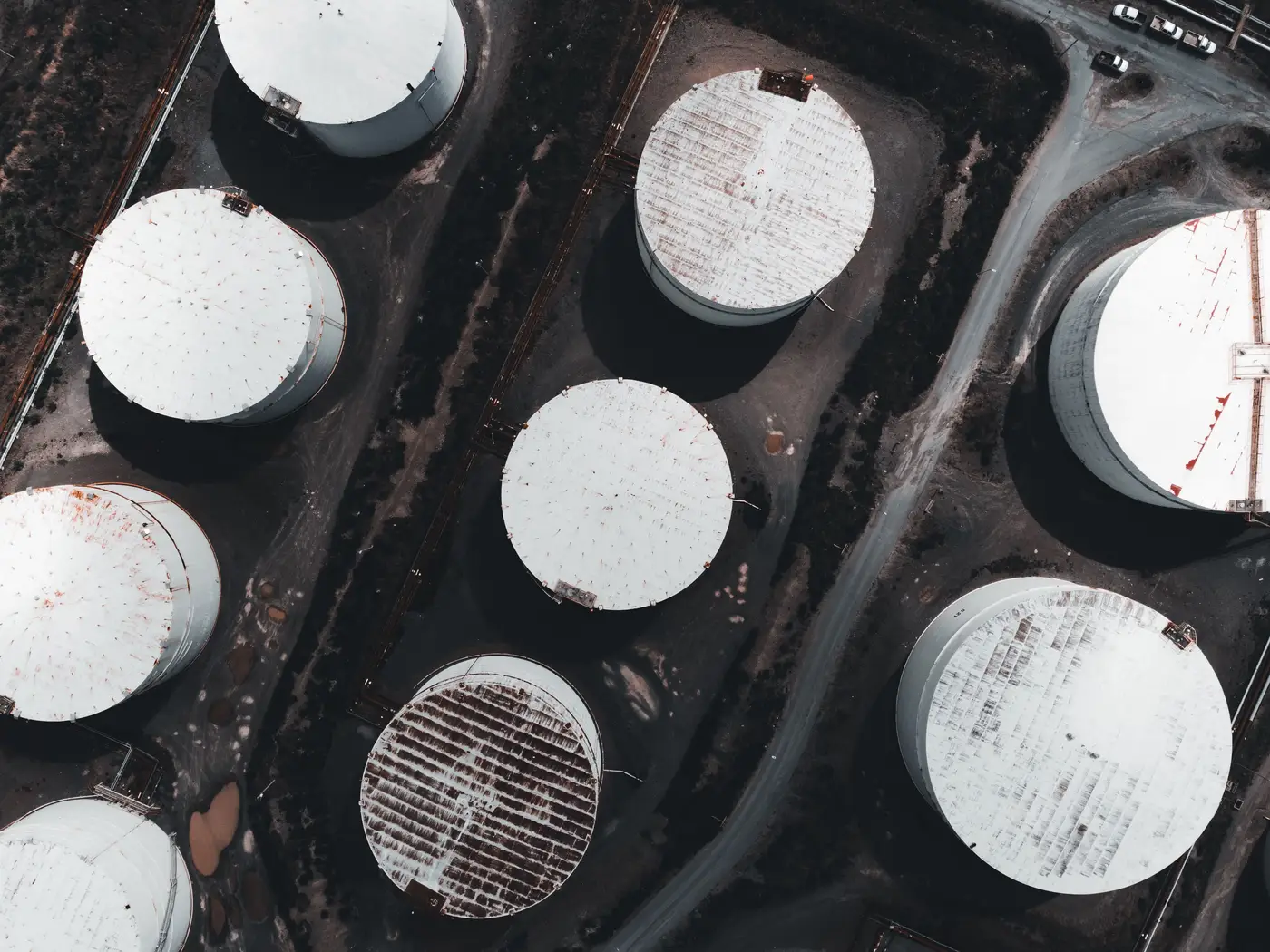
There's a particular kind of silence in this business. Not the silence of a shut-in well or a canceled cargo, the kind everyone eventually hears about through back channels. This is the quieter version: a terminal pours a new pad, erects a fourth floating-roof tank next to the three everyone's been tracking for years, commissions it, fills it, and never issues a release. No permit filing shows up in the usual trade feeds. No analyst note flags it. The storage capacity for that site just changes, and the only people who know are the ones who drive past the fence line or happen to be looking at the right pixel on the right day.
This happens more than the published capacity tables would suggest. Terminal operators expand for reasons that have nothing to do with keeping the market informed: a long-term lease with a trading house, a blending contract, a hedge against pipeline allocation cuts. The capital project gets announced to shareholders or buried in a permitting docket months before groundwork even starts, and then nothing more gets said until the tank is sitting there, full, doing its job. By the time an industry survey catches up and revises its capacity figure for that hub, the tank has been in service for a season or two. Everyone's working estimates for regional storage have been off the whole time, just not off enough to notice until the revision lands and shifts the baseline underneath a dozen existing models.
The part that gets analysts is that a fourth tank doesn't just add capacity. It changes how you read the other three. If you've been tracking draw and build patterns across a site assuming three tanks of known size, a fourth one sitting half-full in the background will bend your math on the others without you realizing it. You'll see what looks like an inventory build that doesn't match pipeline flows or refinery runs, chase it as a data error, and eventually give up trying to reconcile it. The simplest explanation, that the site physically changed, is the one that rarely makes it into anyone's first three guesses because nobody told you to look for new concrete.
This is also where the shadow trick earns its keep. A floating roof sits at a height proportional to how full the tank is, and that height casts a shadow whose length you can read off a clear overhead image almost as reliably as a dipstick, assuming you know the tank's diameter and the sun angle for that day. It doesn't care whether the tank was there last quarter or went into service six weeks ago. It just measures what's in front of it. A daily pass over a site will show a new structure the moment it starts holding product, roof shadow and all, long before any survey revision shows up to explain why your regional numbers suddenly don't add up.
None of this requires the operator to say anything. That's rather the point. The terminal doesn't owe the market a press release every time it pours concrete, and most of them never issue one. The only way to stay current is to keep looking at the site itself rather than waiting for someone downstream to update a spreadsheet. Oil Tank Fill is built around exactly that habit, reading every visible tank in a given footprint daily and returning a fill-level estimate per tank, fourth tank included, whether or not anyone announced it.
If a site you track has grown a tank nobody mentioned, you'd rather find out from the shadow than from a revision six months later.