Radar tank gauge vs satellite shadow read: what each tells a trader
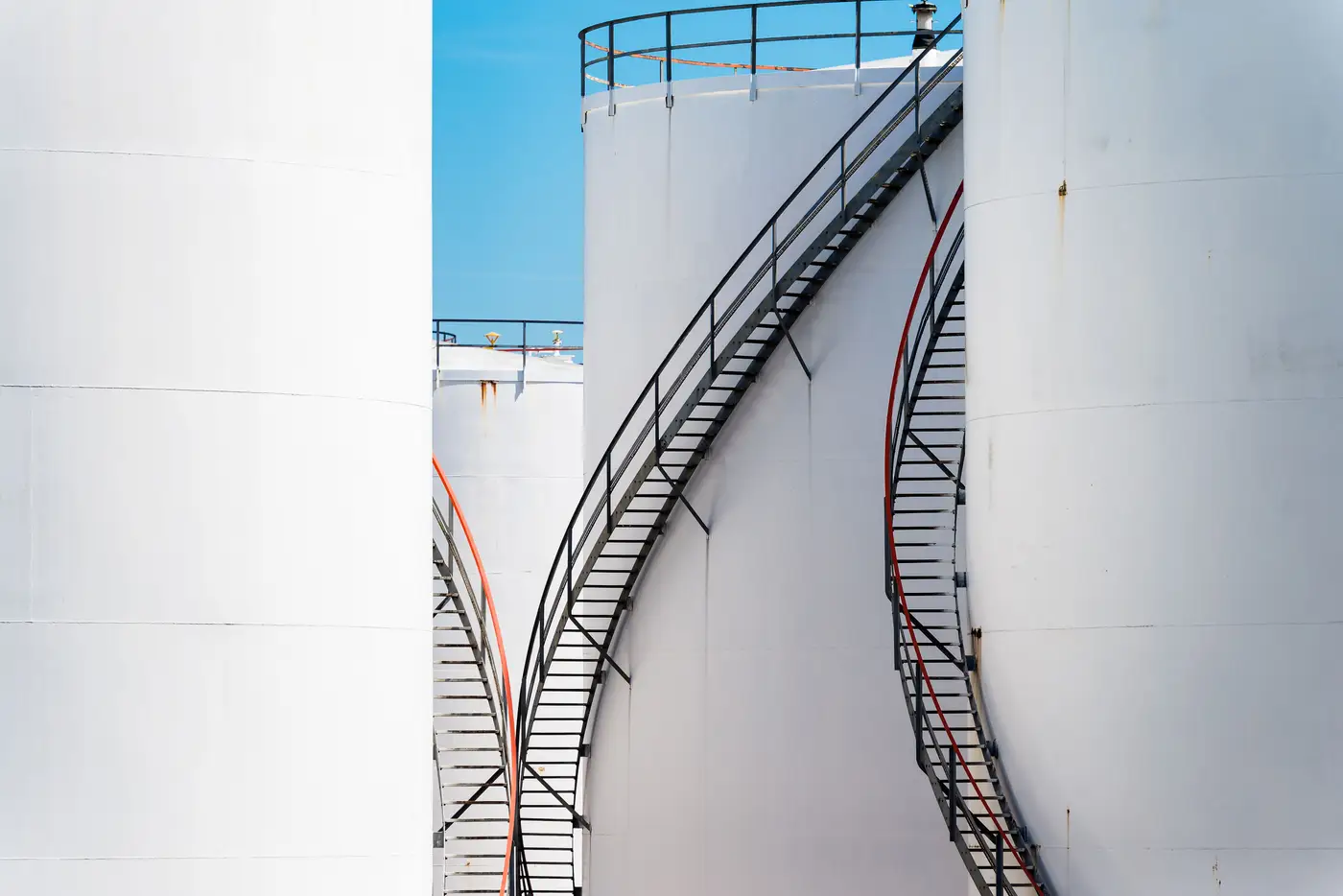
A radar tank gauge and a satellite shadow read are answering two different questions, even though they both end up as a number that looks like "72% full." One of them is measuring. The other is estimating from the outside. Mixing up which is which costs you time when you're trying to size up a storage picture before a report drops.
How a radar gauge works
A radar tank gauge is a fixed instrument mounted on the roof or shell of a tank, bouncing a radar signal off the liquid surface and timing the return to get a level reading, usually accurate to within a few millimeters. It's the gold standard for custody transfer and for the terminal operator's own inventory accounting. The gauge doesn't care about weather, doesn't care about daylight, and updates continuously.
The catch is access. That reading lives inside the operator's SCADA system. It feeds internal inventory counts, custody transfer paperwork, and eventually rolls up into whatever the operator chooses to disclose, whether that's a weekly API number, a monthly EIA release, or a private data feed a handful of subscribers pay for. None of that is wrong. It's just slow to reach a desk that isn't already wired into it, and it tells you nothing about the tank farm down the road run by an operator who doesn't publish anything at all.
What a shadow read sees instead
A floating-roof tank throws a shadow that changes shape depending on how high the roof sits inside the rim. When the tank is near full, the roof rides close to the top and the shadow is thin, close to the rim line. As the tank draws down, the roof drops and the shadow widens, because you're now looking at the gap between the rim wall and the roof deck. That geometry is visible in daily satellite imagery, independent of whether the operator ever says a word about what's in the tank.
That's the mechanism behind a shadow read: measure the shadow width and angle against the sun's known position at the time of capture, then back out a fill-level estimate for that specific tank, on that specific day. The estimate comes from roof position, an inference about what's riding on the liquid underneath, rather than a direct measurement of the liquid itself.
Where the lag lives
The real difference between the two methods comes down to access: who gets to see the read, and when. Precision at the tank level is close enough with either method that it rarely decides the question. A radar gauge is near-instant but privately held. A shadow read is daily and public-facing, pulled from the same overhead passes anyone's imagery provider flies, but it only works on floating-roof tanks you can see, and only on days with usable light and no cloud cover blocking the pass.
So a trader piecing together a storage view from weekly API draws, monthly EIA stocks, and whatever partial survey data a broker forwards is really stitching together radar-gauge numbers that have already gone through an operator's disclosure schedule, a reporting delay, and sometimes a rounding exercise. By the time that number hits your screen, the tank itself has probably moved again.
Which one answers the question a trader has
If you're a terminal operator managing custody transfer, you want the radar gauge. It's your asset, your liability, your number to get exactly right. If you're a trader or an analyst trying to read storage at a hub, a terminal cluster, or a competitor's tank farm before the next inventory print, you want a read that doesn't depend on someone else's disclosure calendar. Oil Tank Fill runs a per-tank fill-level estimate built from the daily shadow geometry across a defined area, so you get a storage read on your own schedule instead of waiting on a terminal operator to decide when, or whether, to tell you.
The two methods aren't competing for the same job. One tells an operator what's in their tank. The other tells a trader what's probably happening at a tank they'll never get a gauge feed from. Know which question you're asking before you trust the number.
If storage positioning is part of your pre-report routine, it's worth seeing what a daily shadow read looks like for your watch list.